Maastricht: Where Europe Signed Its Name
Roman stones, baroque squares, and the oldest city in the Netherlands
Roman stones, baroque squares, and the oldest city in the Netherlands
Maastricht is where the Maas narrows and history piles up — Roman walls, medieval gates, and the treaty that gave the European Union its first real shape. The city feels more southern than Dutch: café terraces, limestone, and a slow, Burgundian rhythm.
The great square at the heart of the city — St Servatius and St Jan on one side, cafés and lime trees on the others. In summer it fills with terraces and events; the two towers have watched over Maastricht for centuries.
The oldest church in the Netherlands still in use — Romanesque and Gothic over the grave of the city's patron saint. The treasury holds reliquaries and silk; the crypt feels like the root of Maastricht itself.
The only surviving medieval gate in the Netherlands — thick stone and narrow passage, once part of the city walls. Walk through and you step from the old centre into the green of the park along the Maas.
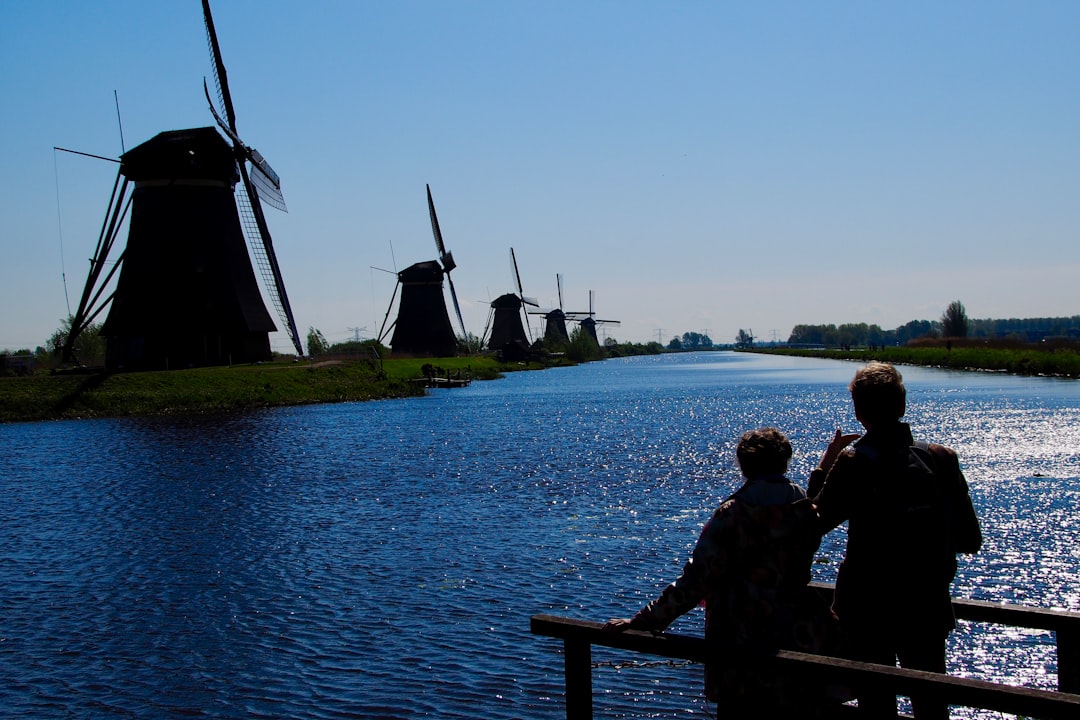
A bookshop inside a 13th-century Dominican church — vaults, frescoes, and shelves where the choir once stood. It is one of the world's most beautiful bookshops; even if you buy nothing, the space is worth the visit.
Miles of man-made tunnels in the marl hills south of the city — once quarries, now a labyrinth of cool passageways and wartime art. Guided tours lead you through darkness and history under the Dutch soil.
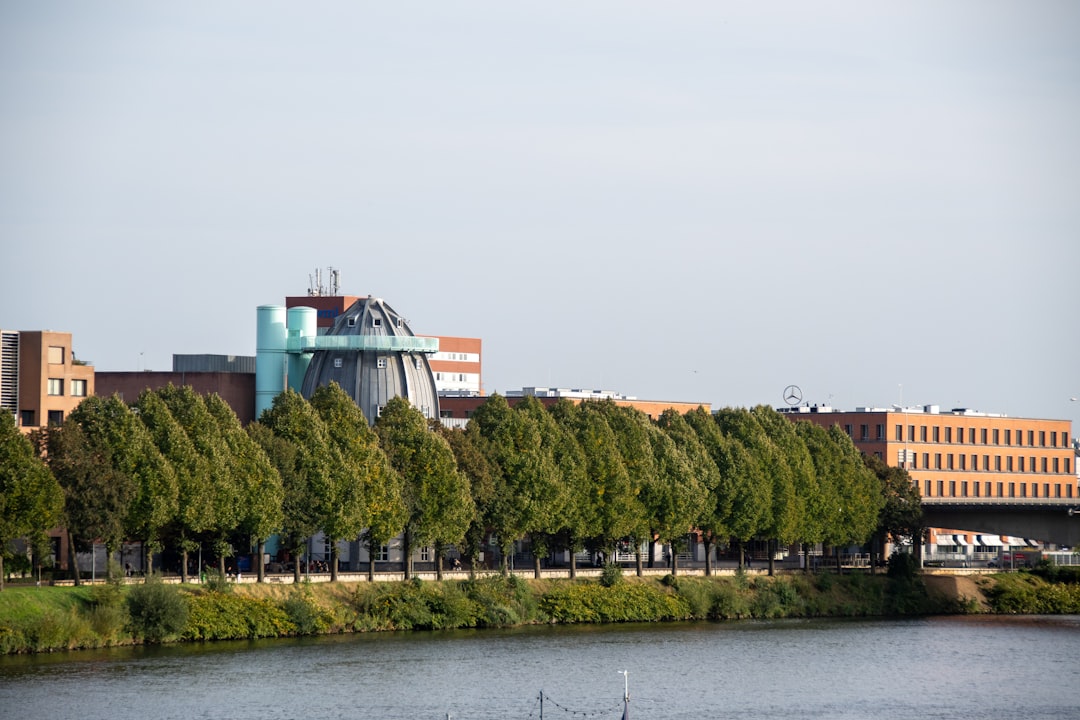
A silver rocket of a building by Aldo Rossi on the Maas — old masters and contemporary art under one roof. The collection spans medieval to modern; the building itself is a landmark on the river.
A smaller square in the shadow of the basilica — cobbles, terraces, and the statue of the Star of the Sea. It feels like the city's living room: quiet by day, lively at night.
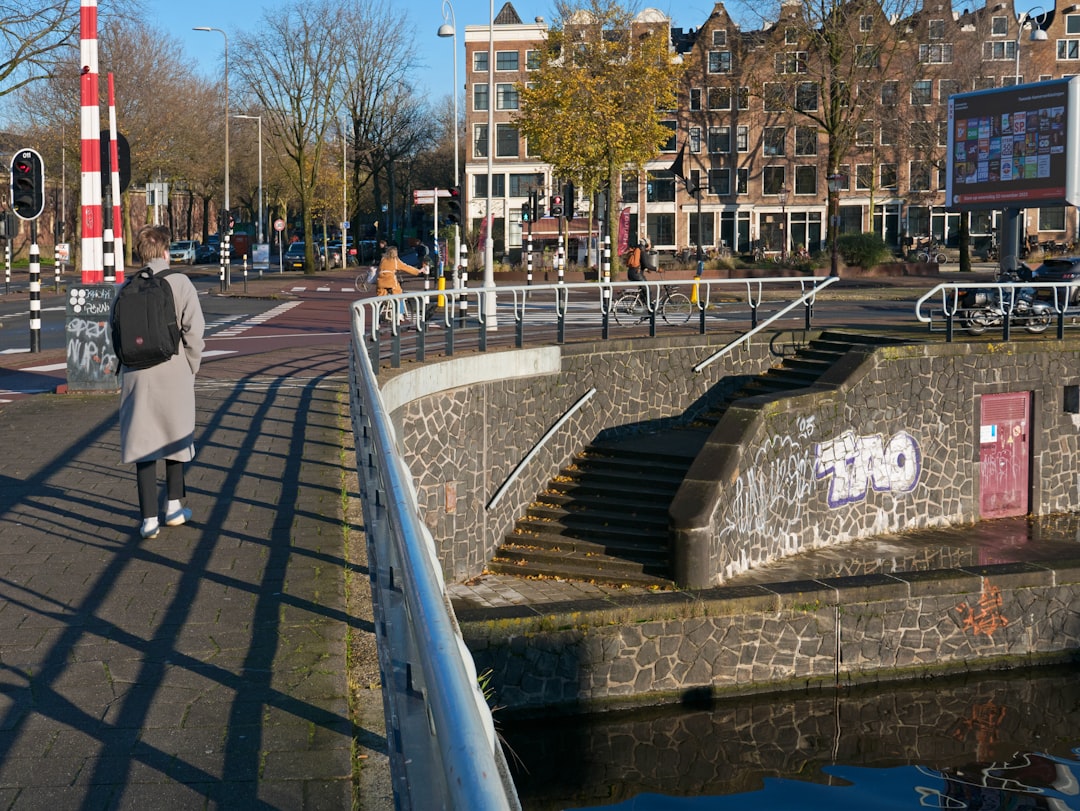
The oldest bridge in the Netherlands still in use crosses the Maas with stone arches and a chapel at the centre. Walk from the old town to Wyck; the river and the skyline tell the story of a city that has always been a crossing.
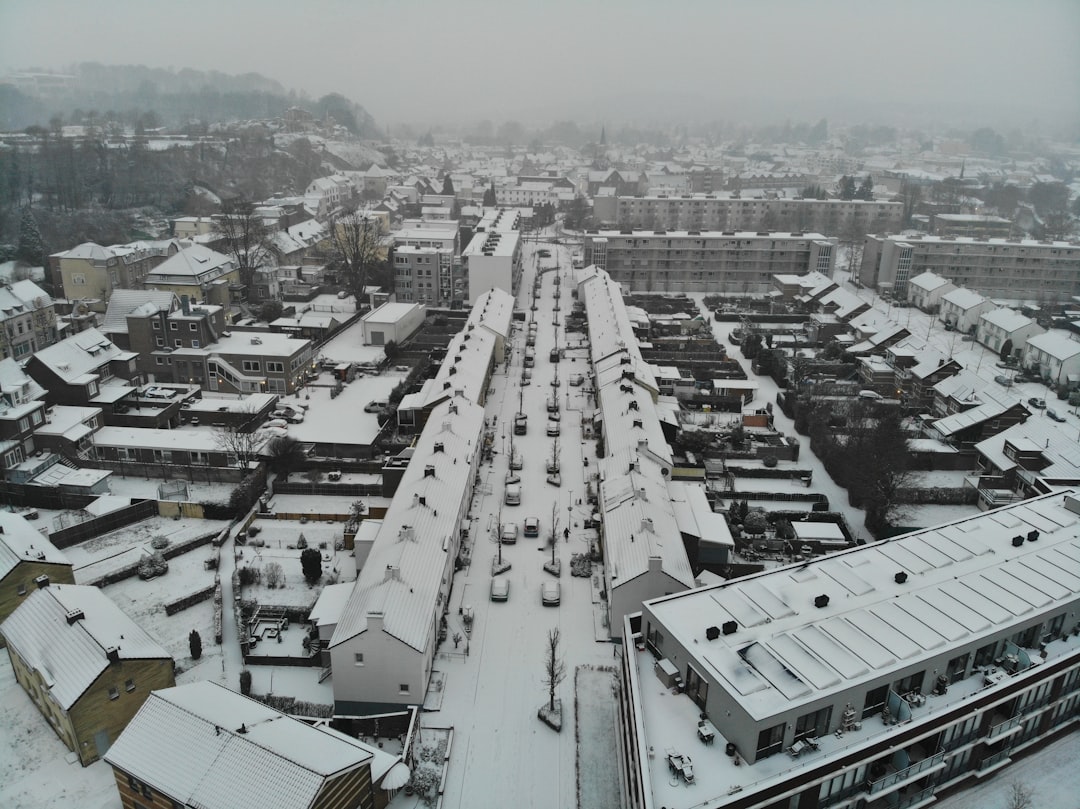
A short ride from Maastricht — a hillside town with a ruined castle, thermal baths, and the Velvet Cave with its painted walls and underground chapel. It is Limburg in miniature: caves, castles, and a touch of kitsch.